







The Secret Behind Aromatic & Bold Flavor: How 3VeeS Chicken Masala & Fish Masala Are Crafted
 By Three Vees
5 months ago
By Three Vees
5 months ago

1. Sourcing the Right Raw Spices
- Selection of premium spices: The journey starts with sourcing high-quality whole spices—coriander, cumin, fennel, peppercorns, turmeric, dried chilies, etc. The origin matters—spices grown in the right climate, harvested at the right time, and stored properly will always deliver better aroma and taste.
- Audited supply chain: We ensure that spices are clean, free from adulteration, and stored/timed for minimum loss of volatile oils that give aroma.
2. Dry Roasting & Blending
- Gentle roasting: The whole spices are gently dry roasted. This develops deeper flavors and brings out natural oils. Roasting is done carefully to avoid burning, which can lead to bitter or smoky off‑notes.
- Cooling before grinding: After roasting, spices are cooled to room temperature before grinding. This prevents moisture buildup, ensures even grinding, and preserves the aroma.
3. Grinding & Classifying
- Precision grinding: Using stone mills or modern grinders, spices are ground to a fine consistency (but not so fine that texture is lost). The degree of fineness is tailored: fish masala may need somewhat different granularity compared to chicken masala to suit how it interacts with flesh fish, oils, etc.
- Sieving / classification: After grinding, the masala powder is sieved to remove any coarse bits or unwanted particles. Uniform texture means consistent flavor release.
4. Blending with Complementary Spice Notes
- Layered flavor: To get bold aroma and depth, the blend includes spices for pungency (like black pepper, chilies), spices for warmth (cumin, cinnamon), spices for fragrance (cardamom, cloves), and often subtle bitters or floral notes.
- Balance: The art is balancing these so none dominates too much. For example, in fish masala the pungency may be lighter or tuned to complement fish flavors rather than overpowering them.
5. Quality Control & Purity
- No fillers or artificial additives: One of the core secrets of aromatic flavor is purity. Adding fillers reduces potency and may introduce off smells.
- Testing for aroma / volatile oils: The finished powders are often tested for smell, color, and sometimes chemical tests to ensure the volatile oils are within acceptable range.
6. Packaging to Preserve Freshness
- Airtight packaging: Once the masala powder is made, quickly packaging in airtight pouches or jars protects it from moisture and air, both of which degrade aroma.
Light‑protected and heat‑protected: Packaging that reduces exposure to light and moderate heat helps retain the bold colors and smells.
7. Culinary Tips for Best Flavor in Use
- Bloom the spices: When cooking with 3VeeS Chicken or Fish Masala, it’s best to add them into hot oil or fat initially. This “blooms” the spices, releasing aroma and ensuring they disperse evenly.
- Use fresh spice blends: Over time, even in sealed packaging, aroma reduces. Using freshly opened or recently blended masalas gives the best experience.
- Adjust use by recipe: Fish often cooks faster and has more delicate flavor. Chicken might benefit from more use of the masala and longer cooking time. Adjust quantity and cooking stages accordingly.
Trending Now
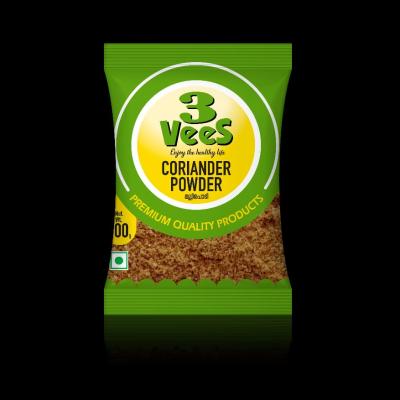
3VeeS Coriander powder
₹33.00

3VeeS Fish masala
₹50.00
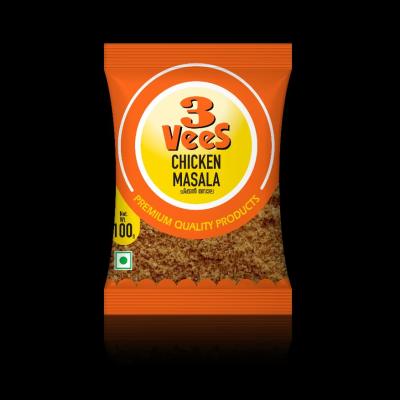
3VeeS Chicken Masala (100g)
₹60.00
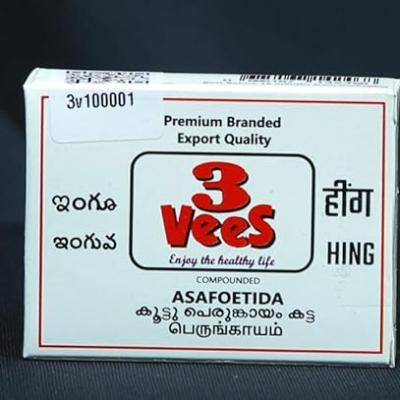
Asafoetida cake (100g)
₹178.00